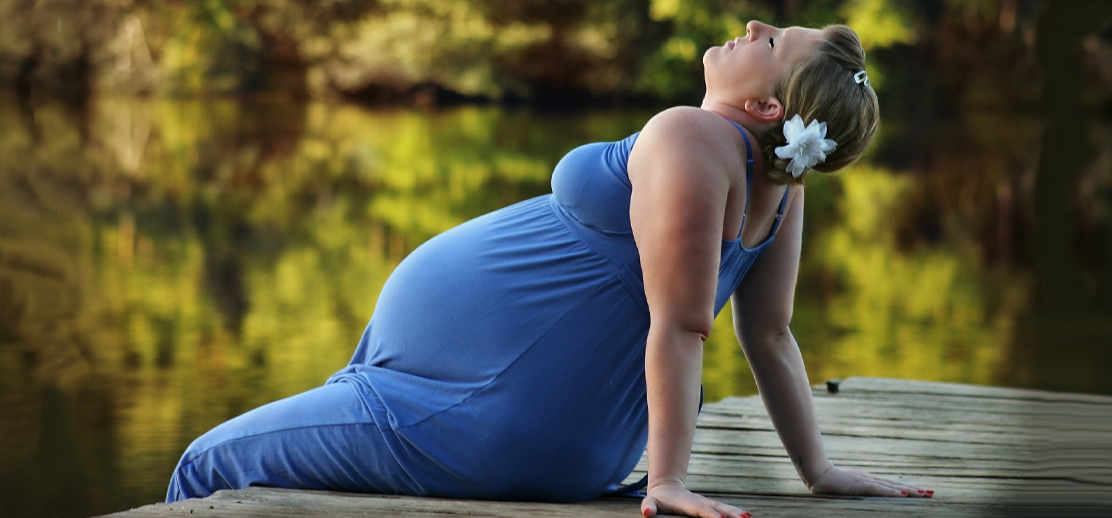
In Pregnancy, when people are encouraged to eat for two around you, it can be challenging to stick to guidelines for avoiding pregnancy weight gain. However, the fact is, gaining too much pregnancy weight can increase the risk of complications leading to C-section delivery or even premature fetal birth.
There are other risks as well, naming a few are gestational diabetes, pre-eclampsia, pubic diastasis, pregnancy-associated hypertension, and many other long-term, antepartum and postpartum consequences. Even if you start Pregnancy while being overweight, like more than 50% of American women, sticking to recommended weight gain range can reduce many health problems significantly. Having a healthy weight gain during pregnancy is possible.
All you need to do is follow these below mentioned basic things:
- (1) Start Pregnancy at a healthy weight if possible
Lauren Hyman, MD of California, obstetrics and gynecology doctor, suggests starting Pregnancy at a healthy weight level. Also, preparing yourself with prenatal vitamins is equally essential. If you are trying to conceive or are thinking about creating, your health care provider can suggest ways to lose weight if required, according to your body mass index (BMI).
- (2) Drink the optimum amount of water
Drinking water has multiple benefits. The two most important benefits during Pregnancy are:
- • It keeps you hydrated
- • It keeps you satisfied and gives a feeling of fullness between meals/snacks
The Institute of Medicine advises drinking ten glasses (8 oz each) of water or other beverages (avoiding soda or alcohol) each day. Some nutritionists may recommend adding more with light activities. Largeman-Roth advises 3 liters of daily water intake (101 fluid ounces). Your urine color can indicate proper hydration. If the color is cloudy or dark yellow, you need to hydrate with more fluids, and if the color is pale yellow or clear, you are taking the right amount of liquids, so you are good to go. You can keep sipping to keep yourself hydrated. Another problem faced during Pregnancy is constipation and a major one at that. Drinking water can help ease constipation, thus minimizing the use of laxatives. Largeman-Roth recently gave birth to her third child. She suggests keeping a pretty water bottle or glass at all times and chilling pitchers of water with sliced lime, lemon, or cucumber. She advises, "You drink more when your water tastes good."
- (3) Walk, a simple regime can help you stay fit
Jeanne Conry, former president of the American Congress of Obstetricians and Gynecologists, quotes, "the most valuable thing any pregnant woman can do is walk." Dr. Shari Young, another obstetrician, and gynecologist says, "walking is one of the most precious gifts a would-be mom can give to herself." Conry recommends the "10 Minutes for Me" program for pregnant ladies new to exercising. She makes her patients walk 10 minutes daily, and every 30 days, suggests adding another 10 minutes. This way, by the end of the first trimester, these expecting moms are already walking 30 minutes daily. This finally continues until the end of their pregnancies. Dr. Laura Riley from Boston, a medical director of labor and delivery at Massachusetts General Hospital, says, "It's not just important for managing weight gain. You'll have a lot fewer aches and pains as you get to the end of pregnancy if you stay active". She makes her patients do 10,000 steps daily (including actions done while running errands and walking around) with the help of a pedometer.
- (4) Eat infrequent moderate intervals
Your growing baby does not require those extra fattening calories. Present guidelines recommend 340 extra calories in the second and 450 extra calories in the third trimester per day if Pregnancy is started in the healthy weight range. This may vary if you start Pregnancy in the overweight or underweight range. These numbers clearly show that there are not many calories to increase, so eat food packed with good and balanced nutritional value. Eat small meals at frequent intervals to keep yourself satisfied. Focus on food with high lean proteins, vegetables, and fruits as advised by Lauren Hyman, MD. Doing some meal planning may help. Choose healthy snacks between meals to avoid overdoing at meals. Fruits with high water content and lots of fiber, like oranges, grapes, berries, and plums, can keep constipation at bay and give you the desired fullness.
- (5) Pair your unhealthy cravings
Nobody expects you to completely stop your unhealthy cravings for extra sweet or salty food. However, you can always mix it up with a more healthy option whenever you are passionate about something not so healthy. For example, eating french fries with some toasted bread with eggs and cheese with help you feel fuller for longer and provide you with the much-required protein from the eggs and the cheese.
- (6) Choose the proper starches
Carbohydrates indeed are the best for expecting moms, especially when you are dealing with morning sickness, nausea, and vomiting. But it would help if you were careful of the starch you choose to meet the goal. Simple white rice and bread may increase the blood sugar level. The best option is to choose complex carbohydrates like brown rice, whole multi-grain bread and pasta, and quinoa. This will give you and your baby the much-required nutritional punch as well.
- (7) Do not stop your routine
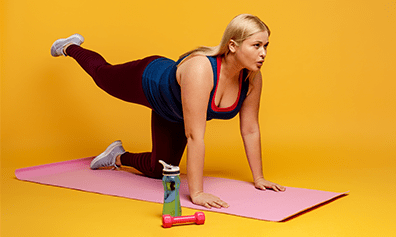
There is no need to stop your activities or exercise regimen if you are already on it. It should just not consist of risky activities or contact sports. You can continue doing your regular fitness training if you are expected; there is no reason you can't keep up with it during Pregnancy. There are very few activities that you should not do as an expecting mom; rest can be continued as your body allows.
- (8)Keep a track
Regular discussion with your doctor regarding weight and weight gain during Pregnancy can help you keep track of it, thus reducing the chances of excessive weight gain. This can also stop you from doing the wrong at the right time and start modifying the usual routine, food, and activities you are doing. Also, breastfeeding regularly is the best thing to help reduce weight gain during pregnancy. With good breastfeeding, you can lose up to 500 calories daily. Follow the discussed simple ways to keep your pregnancy weight gain in control.